UPSTATE NY BOARS
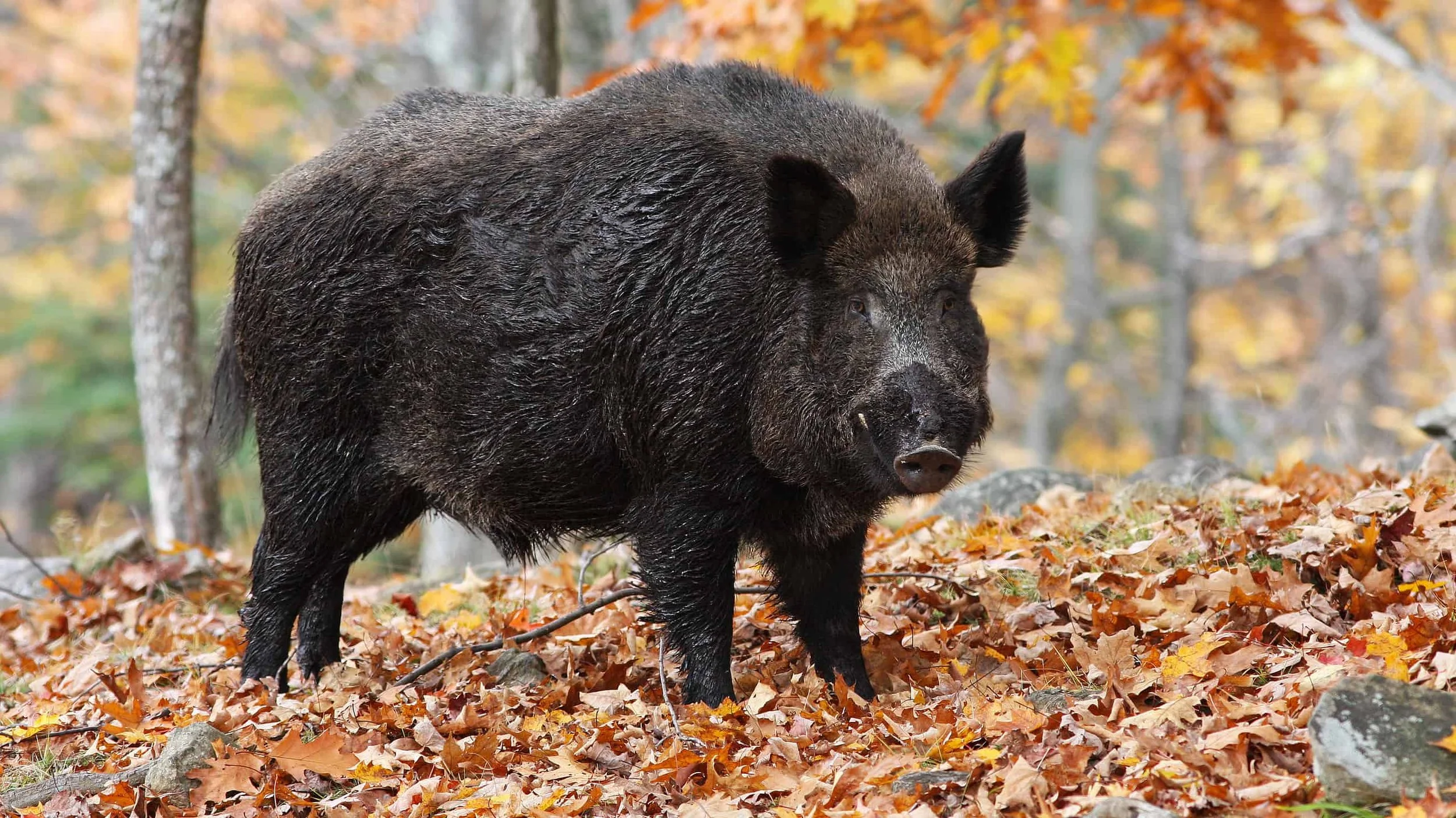
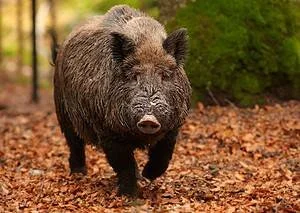
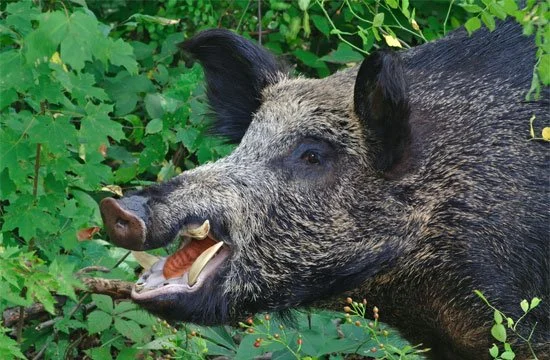
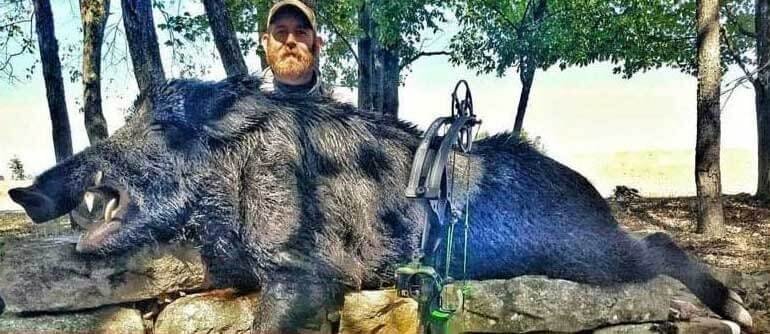
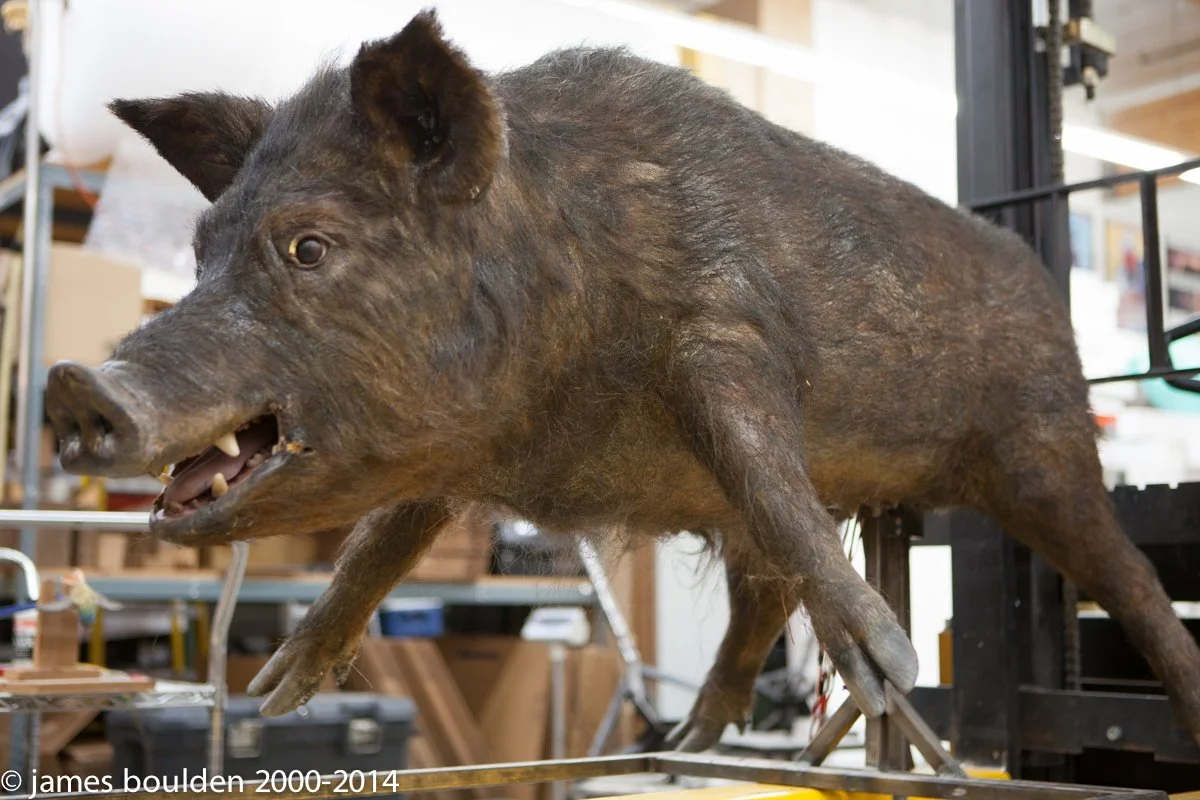
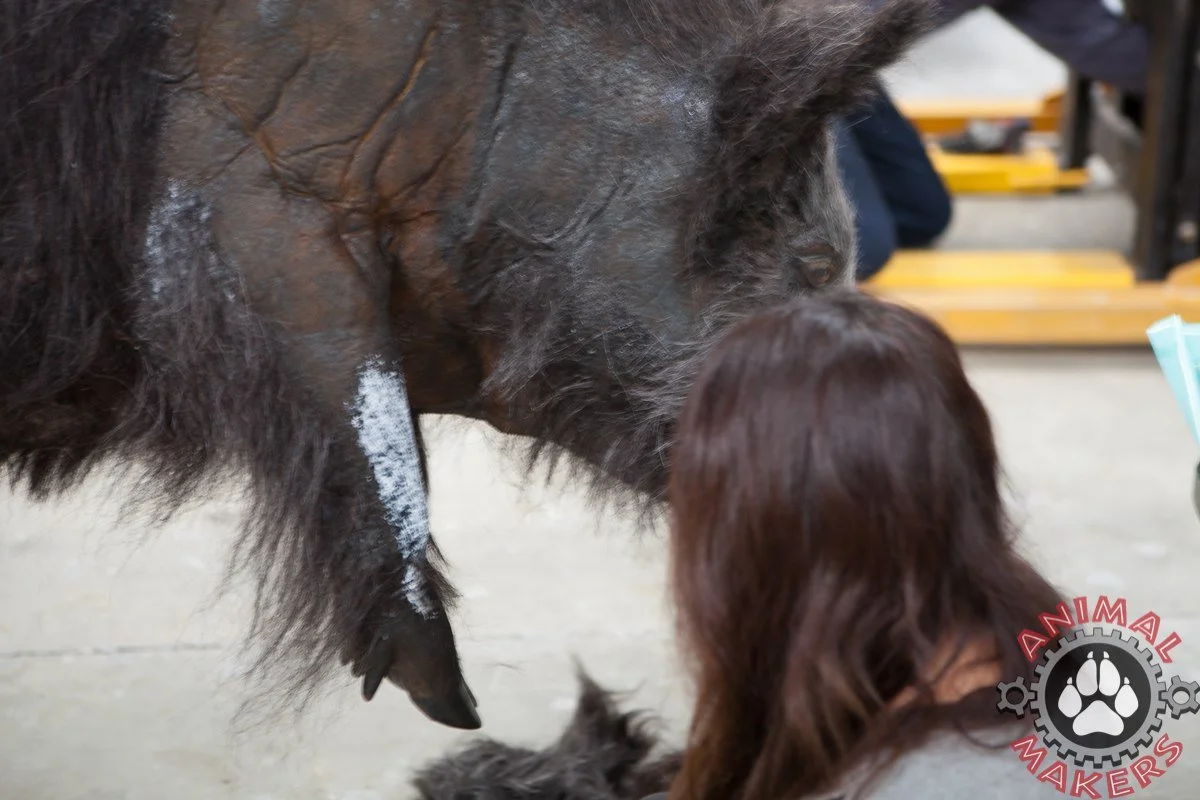
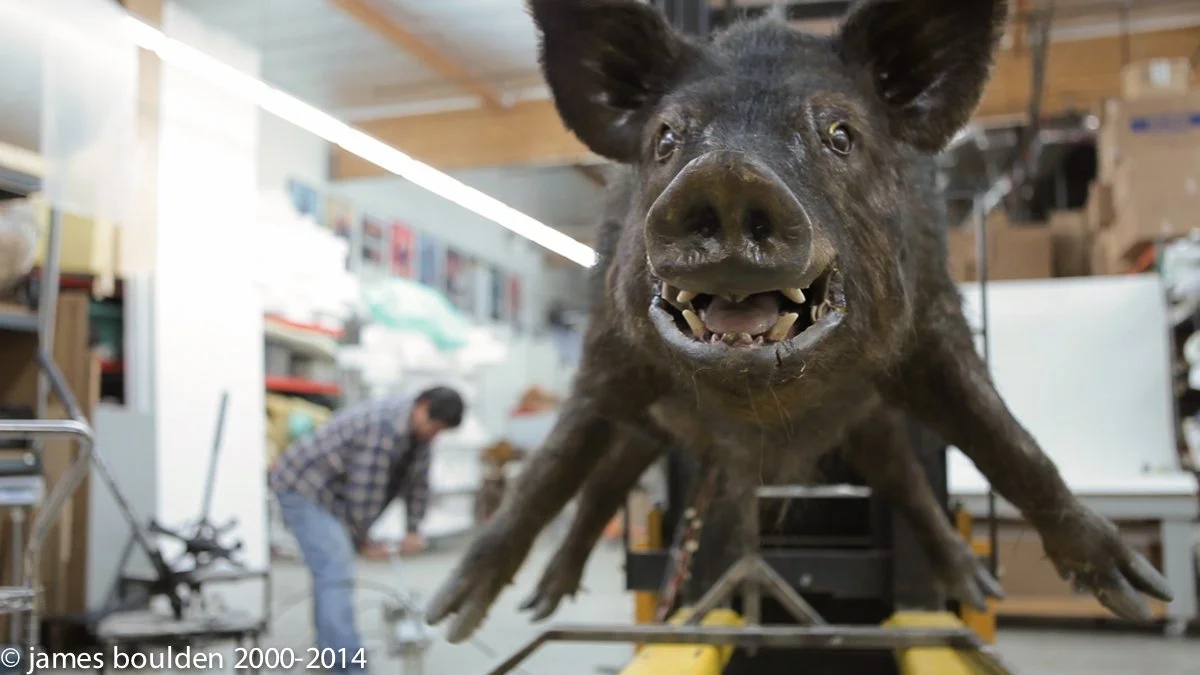
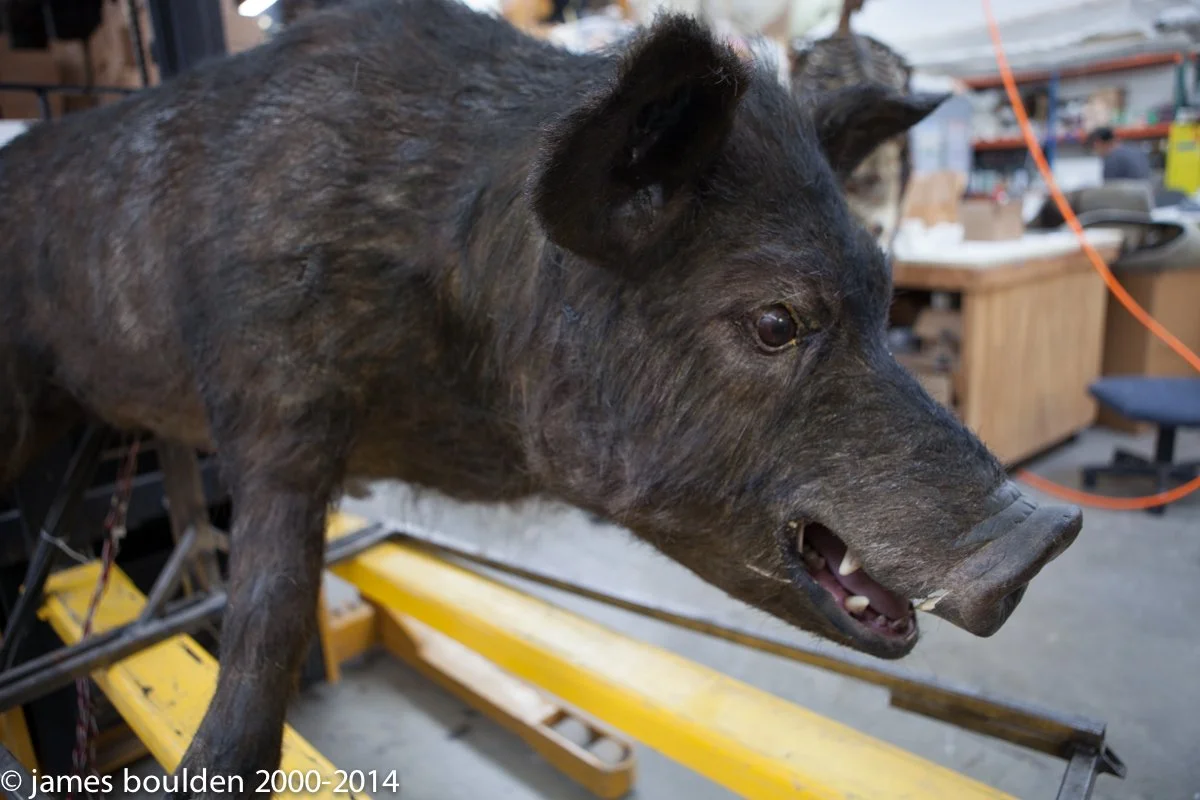
These boars all came from upstate NY and show a thicker, warmer coat than boars from other areas (like Texas). The two images at the bottom show grey coloring. The full body (with archer) presents light colored skin showing through black guard hairs (image taken non-winter). Their fur actually gets thicker during the colder seasons and sheds in the spring and summer. The face close up with grey hair is an older boar. Similar to an old dog whose face gets whiter, so does the boar.

Since 1987, Animal Makers has served Hollywood’s fake boar needs.
“ODYSSEY” (2026)
“SPIN ME ROUND” (2022)
“AMERICAN HORROR STORY” (2016)
“WRECKED” S1
“CARRIE” (2013)
“LITTLE FOCKERS” (2010)
(Our small fake pig prop is mounted on a bbq spit at Henry and Samantha’s fifth birthday party scene.)
“THE DUKES OF HAZZARD” (2005)
“PREDATOR” (1987)
-
![]()
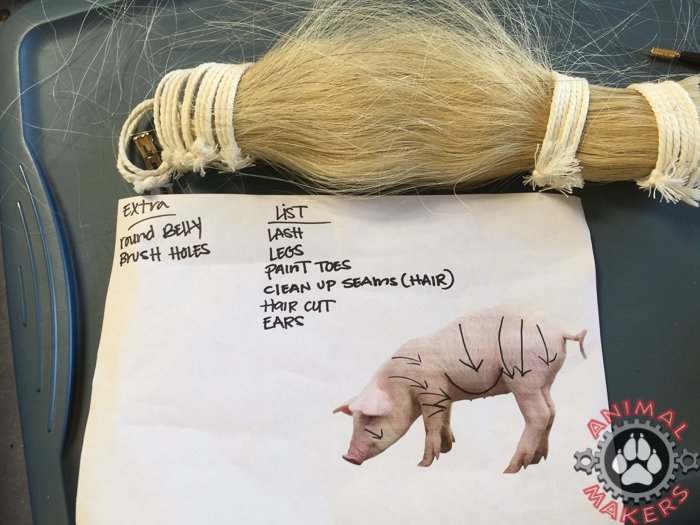
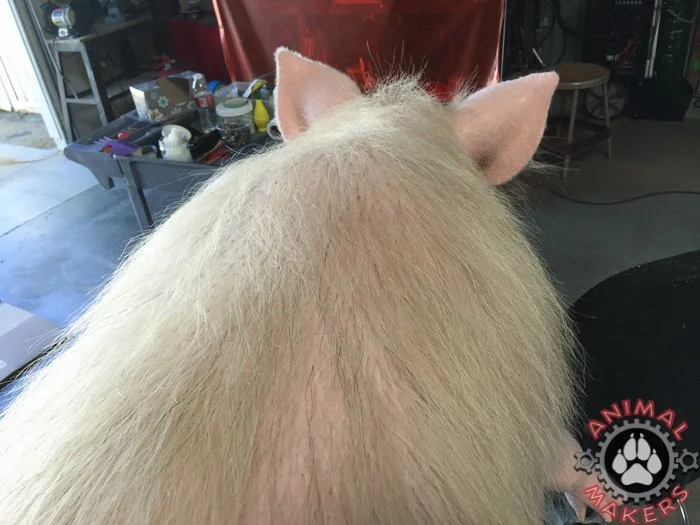
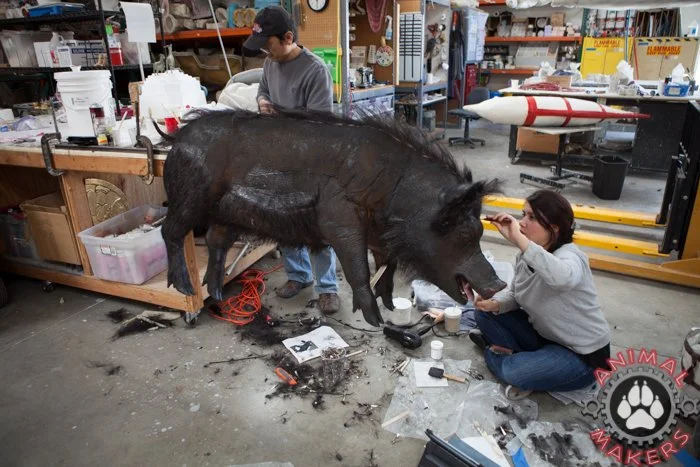
Pig props? Yeah, we make 'em
-
![]()
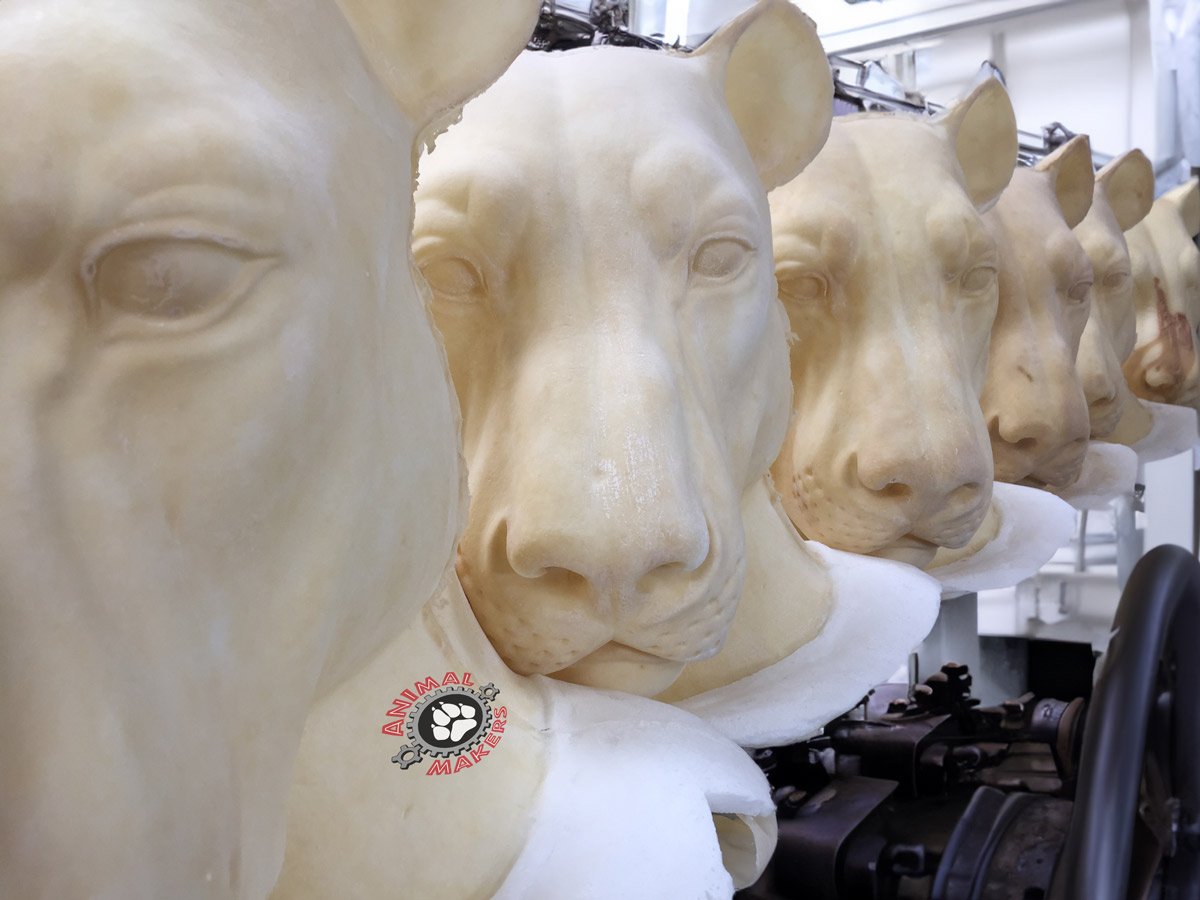
Everything starts with the original sculpture
-
![]()
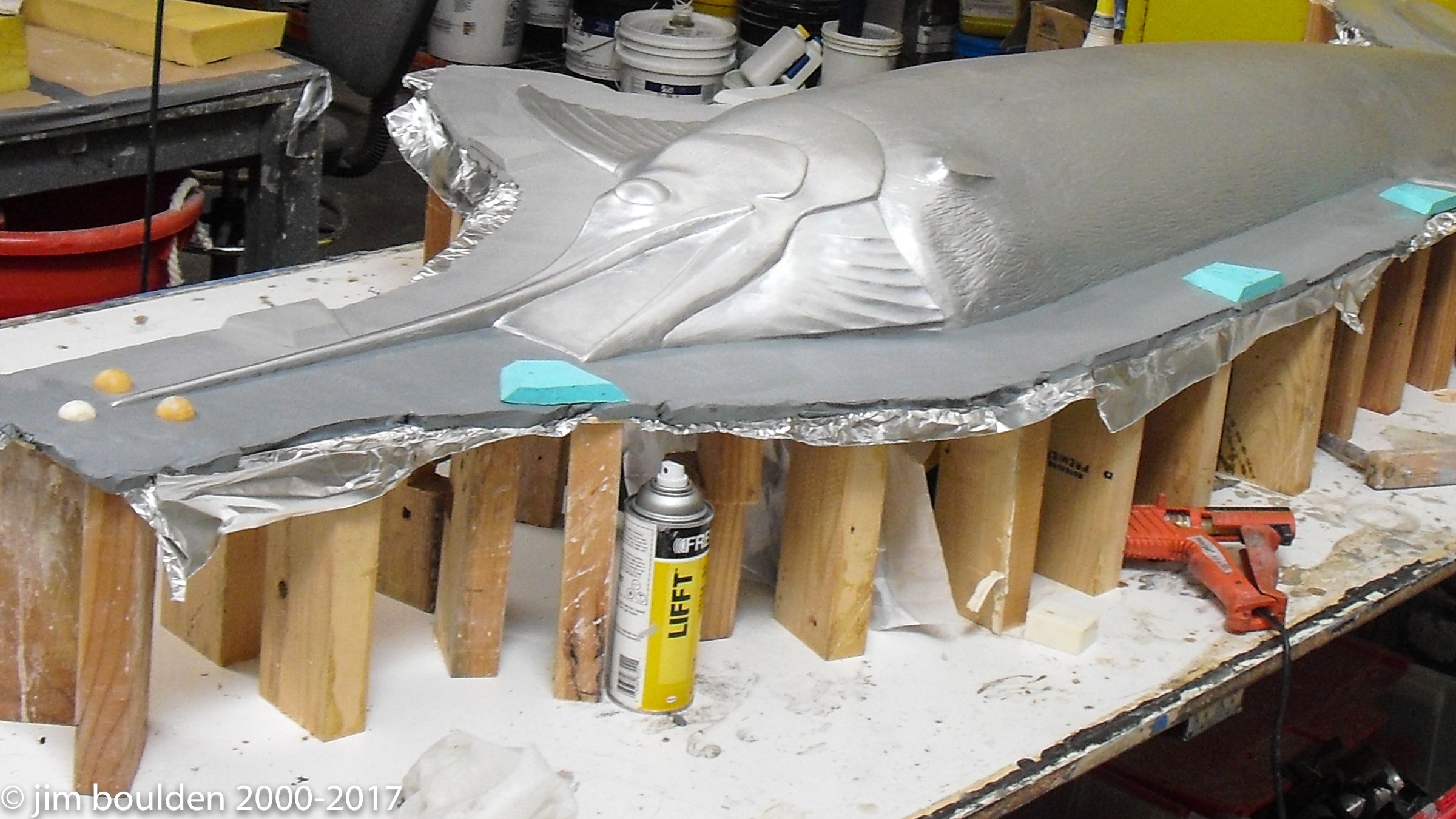
A mold of the original sculpture is then created


Fake Animal Stunt Props
Why do so many filmmakers and others in the entertainment industries need realistic, fake animal props?
-
Real animals cannot safely perform many dangerous actions without experienced trainers being involved.
Any scene involving an attack (like a mauling or bite), a death, extreme physical stress (like a grizzly bear attack), fire, explosions, or close-quarters fighting must use a fake animal prop to ensure safety.
Realistic fake props (especially animatronics) allow actors to safely interact with a creature in ways a live animal never could, such as being held, struck, or getting close enough for high-detail close-up shots of an action.
-
Live animals are unpredictable and time-consuming to train and manage. A fake prop will perform the exact action required, on cue, for as many takes as necessary. This is crucial for hitting precise action and actor’s marks.
-
A prop is an affordable essential for creating animals that don't exist (like a fantastical creature, or an oversized character) or for performing actions that a real animal is simply not capable of (such as talking, complex human-like emotional expressions, or surviving a massive fall).
Mixed with AI, editing special efffects, and actors; having a prop during filming is a great way to tie the actors to the digital effects.
-
Real animals are subject to strict legal working hour limits (typically 4–6 hours), require rest periods, and often need duplicate animals for continuous shooting. A prop can be on set and ready 24/7, saving the production significant time and money on reshoots and scheduling.
-
For scenes involving the handling of a dead animal (like a carcass in a horror or historical film), a realistic prop must be used to comply with animal welfare laws and to obtain the "No animals were harmed" certification, as proving a genuine carcass was ethically sourced is often impossible.
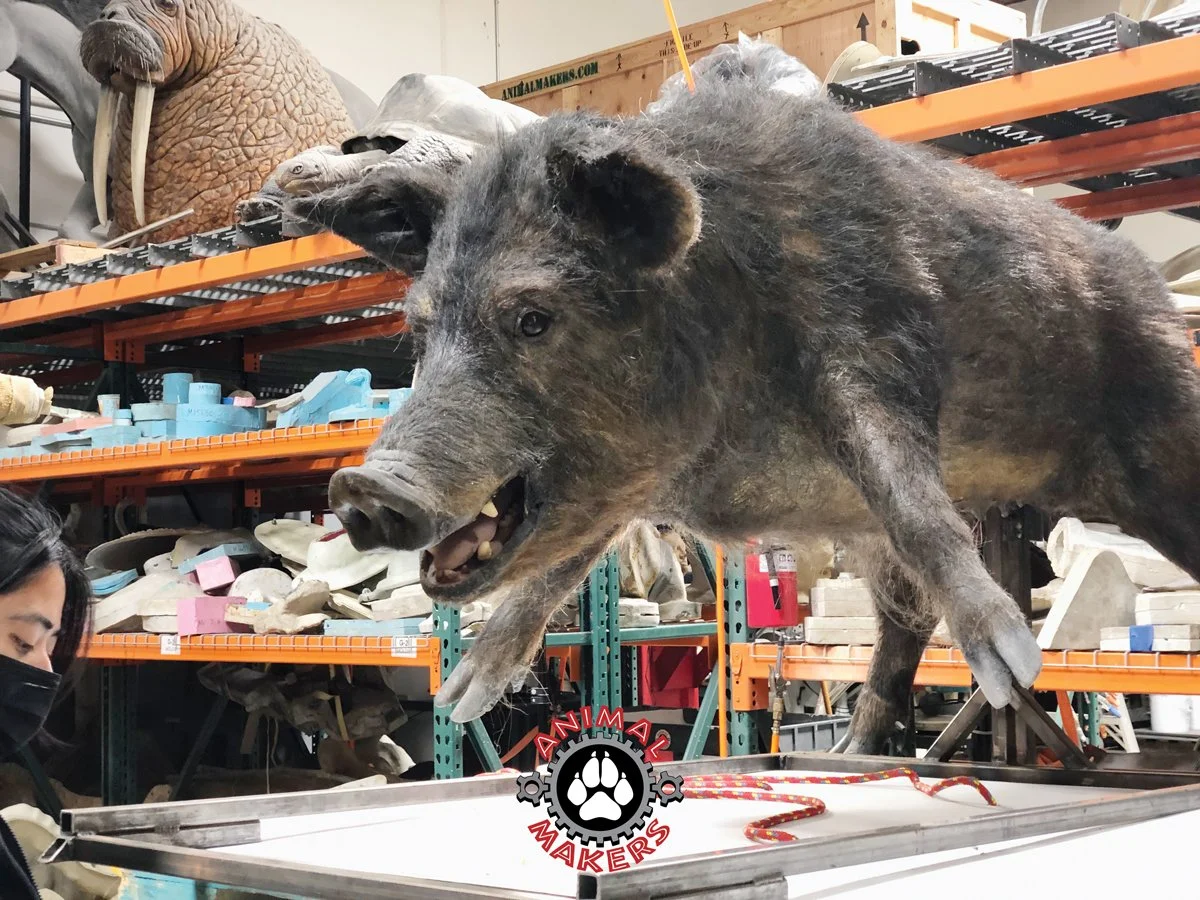
Animatronic Boar on stand
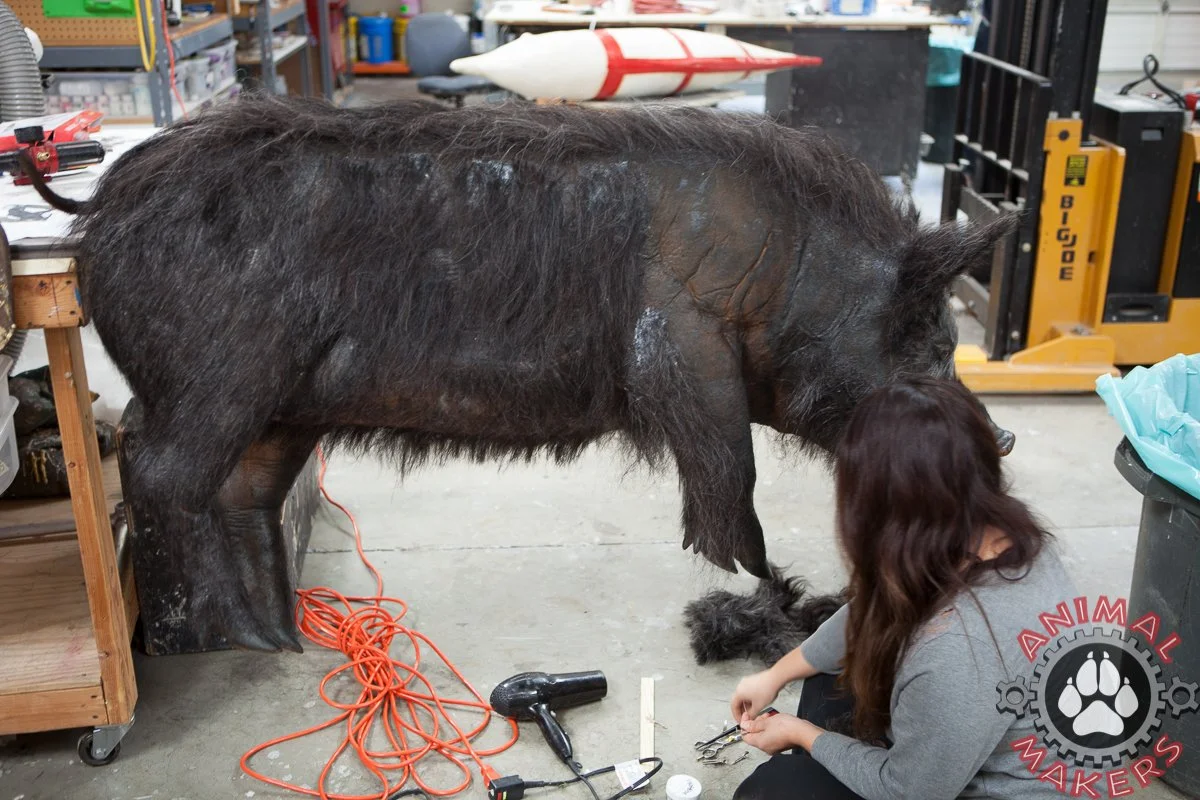
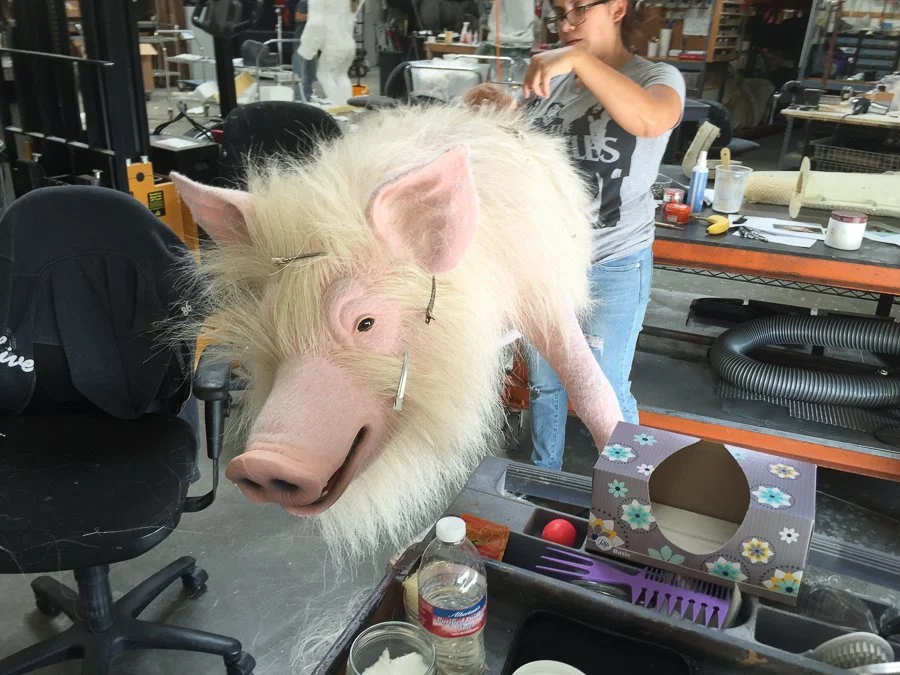
Boar hair punching
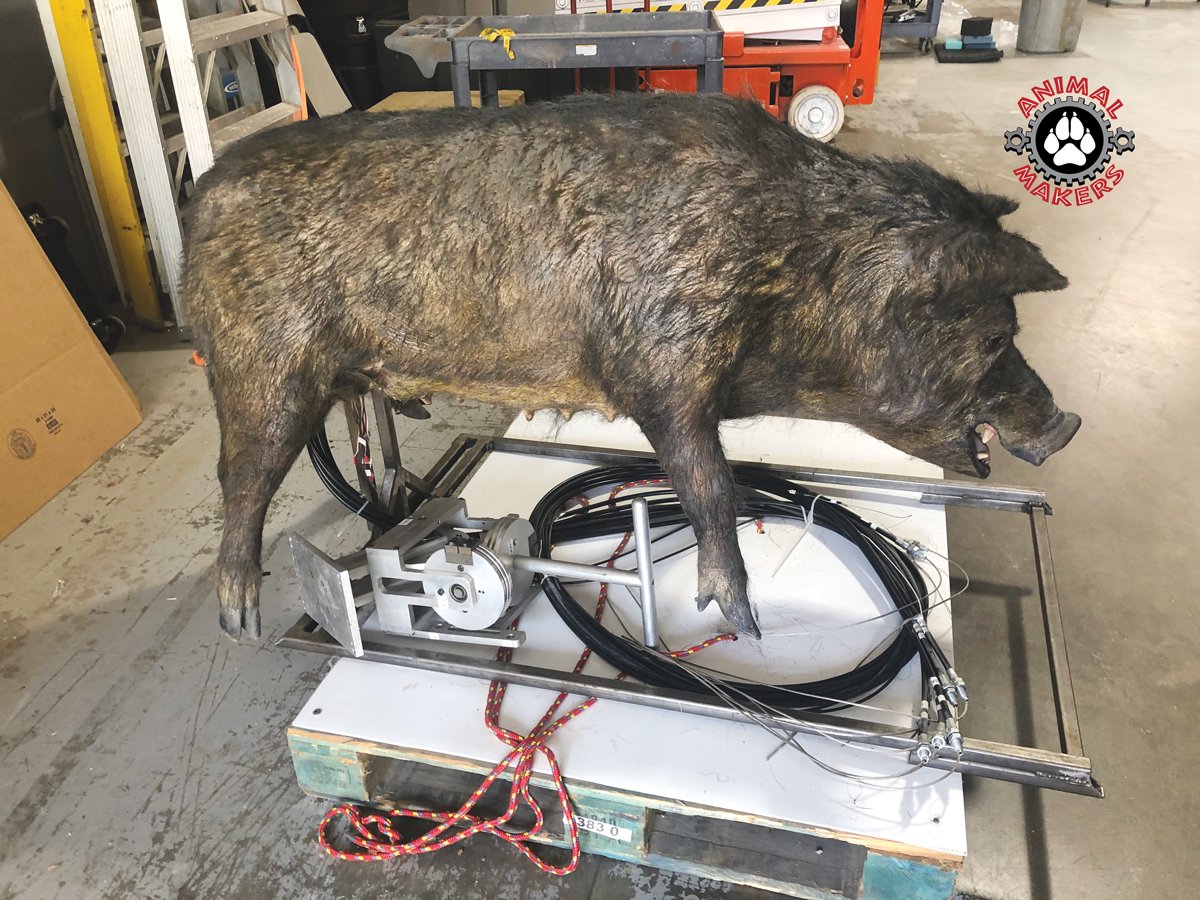
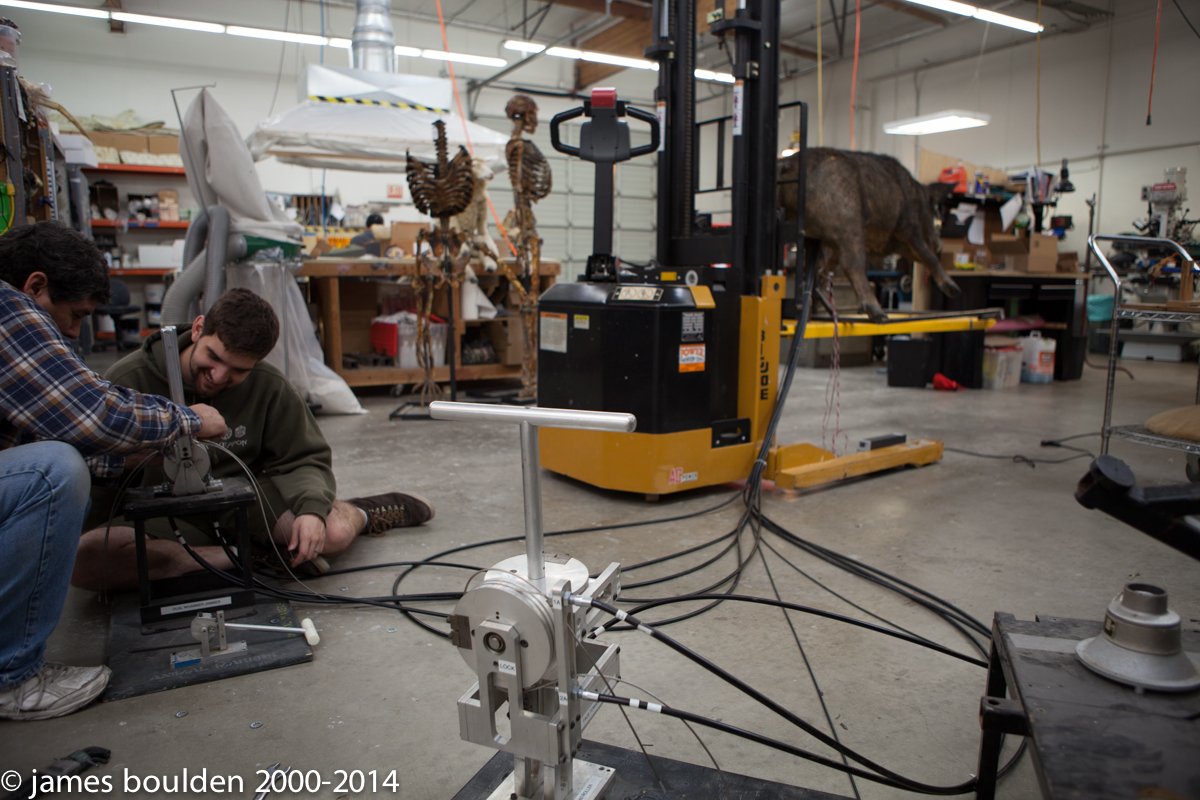
Animatronic Boar on stand, control cables visible


FAUX ANIMAL PROPS, PUPPETS, AND COSTUMES
-
![Molds & Patterns]()
SCULPTURAL ANIMAL MOLDS
Need a good start for your art project? Want to make an animal for a theatrical event? Invest in the “means of production” that is already tested! These are one of a kind mold sets. Check out what you can build!
-
![]()
COSTUME SALES & RENTALS
Animal Special Effects costumes including gorilla, bear, panda, and others. For cheaper used B stock costumes, please visit our eBay costume sales area.
-
![]()
VIDEOS
Click to see our animals at work for film, television, commercial films, internet virals, and live events!
-
![]()
PRODUCTION SUPPLIES
This area is for artists who have an animal in their project. You can buy sets of animal masks, ready for coloring or adding flock or fur.